Happy new year
(and yes… we’re still not buying polyester with a logo)
Happy New Year, family.
My prayer for us in 2026 is simple: wonderland fashion finds, clean thrift stores, and meaningful experiences that actually show up in your life (not just in your cart). Because if last year was the year of “fast fashion miracles” and overpriced polyester pretending to be luxury… this year? We’re spending with standards.
We’re shopping for our bodies, not “ideal body” propaganda. We’re buying what fits, what lasts, and what makes sense. We’re refusing to overspend on synthetic designer goods that feel like a plastic bag with a brand story. And we’re remembering the most radical fashion practice of all: discipline.
Let’s talk about what’s coming in 2026; what’s real, what’s marketing, and what you need to clock before it clocks you.
1) Faux fur is “in.” But let’s not pretend it’s innocent.
Yes,… fashion media is already calling faux fur an “it” material for 2026. Who What Wear
And I get why: it photographs beautifully, it reads “rich,” and it gives drama without trying too hard.
But here’s the part they love to skip: most faux fur is plastic. Petroleum-based fibers. Not biodegradable. And when it breaks down, it doesn’t turn into soil, it turns into smaller plastic. Who What Wear+1
Microplastics are a real issue with synthetic textile fibers shed during wear and especially washing, and those particles can move through waterways and ecosystems. PMC+1
So no, I’m not saying “never wear faux fur.” I’m saying: don’t fall for the clean conscience marketing. If you want the look with less harm:
Shop vintage fur (yes, this if fine). If you’re comfortable with it ethically, secondhand keeps an existing garment in use instead of manufacturing something new.
Look for reclaimed/vintage shearling, or coats with fur trim that are already circulating in resale.
If you do buy faux: buy one amazing piece (not five trend coats), and take care of it like it cost you a mortgage payment.
And since we’re being honest: real fur has major environmental impacts in production (and that’s before we even talk about ethics). A life-cycle assessment comparing mink fur and faux fur found significantly higher climate impacts for mink fur production per kilogram. CE Delft - EN+1
Translation: this is not a “good vs. evil” conversation. It’s a “stop letting trends make you careless” conversation.
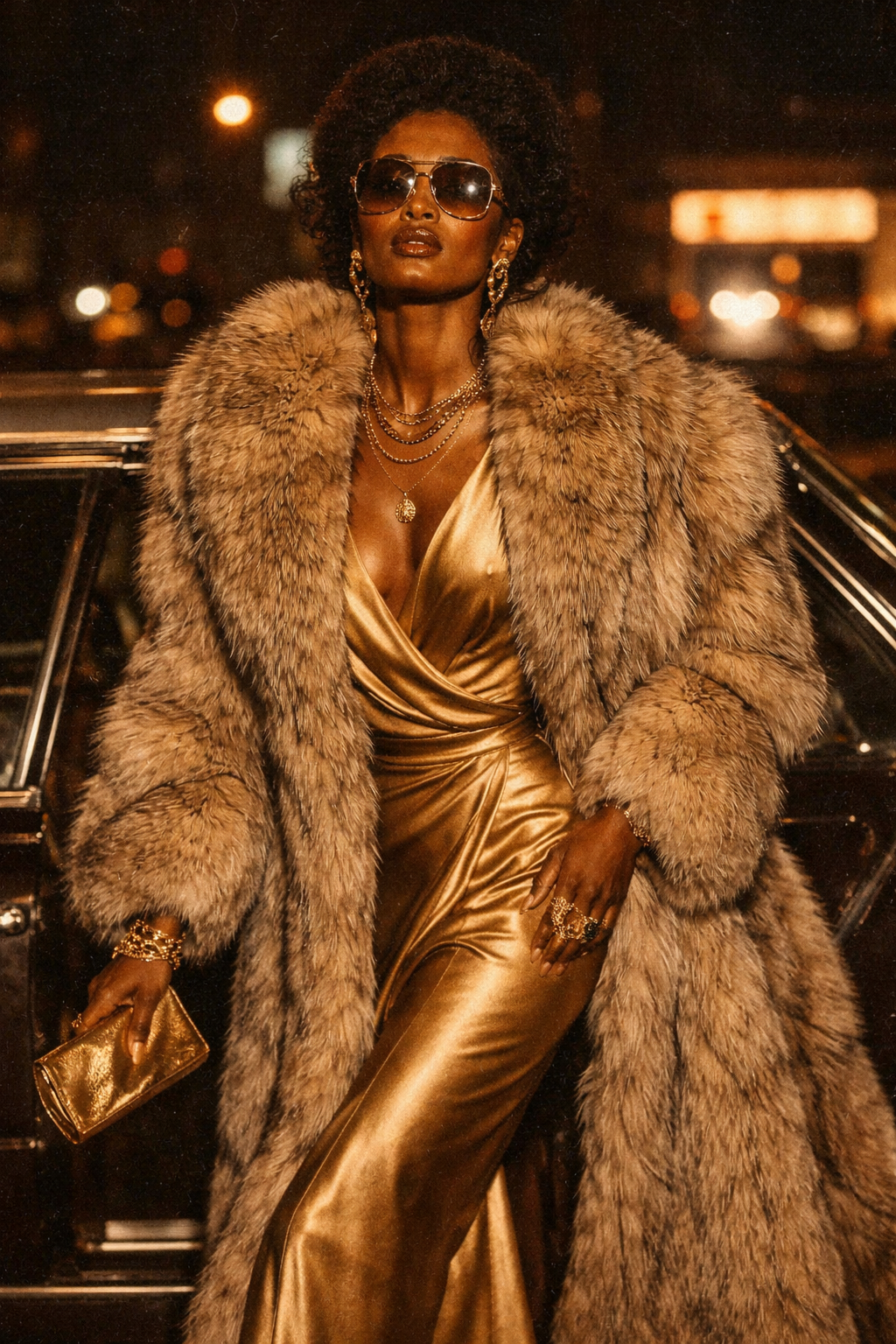
My best advice? Thrift the fur trench while you can. Preferably from a thrift store, consignment shop, or value-driven vintage dealer who supports a conscious cause and keeps garments in circulation.
2) Digital Product Passports are not a trend. They’re a warning label.
If you’ve been hearing whispers about “transparency,” “traceability,” and “product development accountability,” let me translate: the fashion industry is being forced to show its work.
The EU’s Ecodesign for Sustainable Products Regulation (ESPR) came into force in 2024, and Digital Product Passports (DPPs) are part of that shift,.. creating a digital record for products so information like materials, supply chain details, and circularity pathways can be accessed. trimco-group.com+1
For apparel, the detailed, clothing-specific rules are expected to roll out later (many industry guides point to 2027 as a key target for sector-specific requirements). Retraced platform+1
What that means for you in 2026:
You’re going to see more QR codes, more “meet your maker” campaigns, and more brands suddenly acting like they invented transparency.
Some will be genuine. Some will be pure performance.
Your job is to ask better questions:
What is it made of; exactly?
Where was it made?
How long is it designed to last?
Can it be repaired?
Can it be recycled, or is that just a cute garment?
3) Your dollar has power… and TikTok Shop is proof.
Let’s talk about the new mall: your phone.
TikTok Shop has exploded fast. In Q3 2025, TikTok Shop’s global sales (GMV) were estimated around $19 billion, within striking distance of eBay’s reported $20.1 billion GMV for the same quarter. WIRED+2eBay Investors+2
And eBay is not some small business. eBay reported $10.3 billion in revenue for full-year 2024. eBay Investors
So when I say “your dollar has power,” I mean: consumer behavior can shift faster than legacy institutions can react. The audience is wider. The pace is faster. And the impulse to buy is being engineered in real time, with creators, affiliate links, and video demos that make shopping feel like entertainment. WIRED+1
That should make you do two things:
Get smarter as a shopper. (Pause. Research. Sleep on it.)
Get strategic if you sell. (Because attention is currency, and TikTok is a mint.)
4) Luxury is squeezing itself… and then acting surprised.
Here’s the reality: a lot of luxury houses are pricing for the top 1% to 10%, the group that can keep up with constant increases without blinking. The problem is: when you build your business like that, you’re balancing your whole brand on a tiny slice of consumers.
And if those consumers get bored, or shift spending to travel, art, jewelry, wellness, or literally anything else, your bottom line gets shaky fast.
So what happens?
They start “courting” the middle. They push entry-level categories harder (beauty, fragrance, accessories). They chase virality. They grab celebrity faces. They flood timelines with aspiration because aspiration converts.
That’s why we’re going to see more celebrities becoming brand ambassadors and more “friends of the house.” Not just because it’s cute, because it’s a pipeline.
5) “Quiet luxury” will be overused… and greenwashed.
I’m calling it now: quiet luxury is about to become one of the most exhausted phrases in fashion. It already is, frankly. And as it spreads, it will get watered down into beige + expensive + vague sustainability claims.
Fashion media has already started talking about the shift beyond quiet luxury and what comes next culturally. Who What Wear
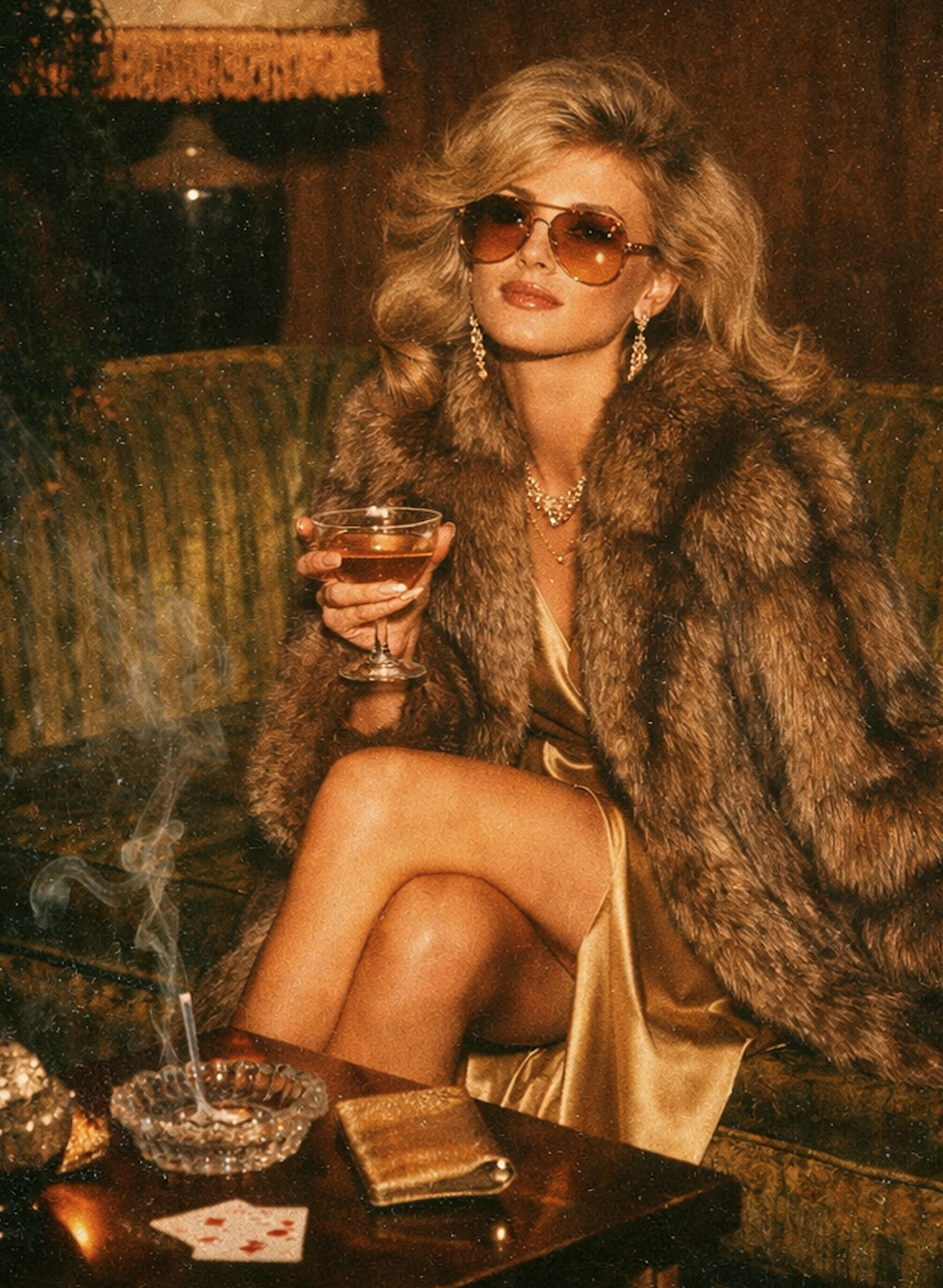
So here’s the memo: understated doesn’t equal ethical. Minimal doesn’t equal responsible. And “timeless” doesn’t mean anything if the garment is low-quality, poorly made, and destined for a landfill.
This is why I will always push you back to the basics:
Shop local.
Invest in small businesses.
Support resale and repair.
Buy fewer, better pieces, and wear them like you mean it.
6) Home is about to matter more than ever.
If 2025 was “outfits,” 2026 is giving environment. People are craving comfort, softness, and a sense of sanctuary, especially as everything else feels loud.
Home and interiors are still navigating challenges (housing affordability, interest rates, global uncertainty), but the appetite for home spending and design interest hasn’t disappeared, it’s evolving. WWD+1
And in luxury, jewelry is projected to outpace clothing in unit growth over the next few years, which tells you something: people are investing in fewer, more lasting “value objects.” Business of Fashion
So whether it’s furniture, vintage decor, or a gold piece you’ll pass down: the vibe is heirloom energy.
Closing: This is your year to shop like a strategist.
2026 is not the year to be a cute consumer. It’s the year to be a conscious one.
Trends will still trend. Brands will still brand. But you? You’re going to move with intention.
If you take nothing else from this memo, take this:
Buy less. Buy better. Ask questions. Thrift first. Repair what you can. And don’t let a viral coat convince you to abandon your values.
Before you go…
If this memo hit home, do three things:
Share it with your best-dressed friend who needs to stop panic-buying polyester.
Subscribe to FORWHY Memos so you don’t miss the 2026 trend breakdowns, thrift guides, and brand call-outs.
Tell me what you’re hunting for this year, the dream vintage piece, the wardrobe gap, the I’m done settling item.
Welcome to 2026, family.
Let’s shop with intent.
-Tempestt W. Harmon
